I'm posting this in honor of International Women's Day Mar. 8.
Mar. 7, 2018 "Corporate leaders give sage advice to future CEOs": Today I found this article in the Globe and Mail:
Debra Kerby, President & CEO, Canadian Feed The Children

I've learned that facing your fears and embracing joy every day is what creates an amazing career and life. It's critical to learn how to tell the difference between what's important and what's a distraction. Embrace the tough lessons and then let them go – don't stay stuck in what didn't work. Know that no one really has it all figured out. While it's important to seek out different voices and opinions, trust your own. Cultivate the courage to use it. Pay attention to what inspires you. Explore your own gifts and talents and the vast possibility of your "what ifs"!
Tamara Vrooman, President & CEO, Vancity

Don't be afraid to ask for help. Sometimes we think it's a sign of weakness to admit we don't know everything, but it's really a sign of confidence to know that we can benefit from the wisdom of others. Had I asked for more help when I was younger, it would have enhanced my learning and accelerated my progress – and ultimately it would have made many of my decisions that much easier. With the pace of change today, mobilizing the opinion and talent of others is more important than ever. Perfection doesn't exist – no one can do everything without help.
Melanie Dunn, Global President & CEO, Cossette
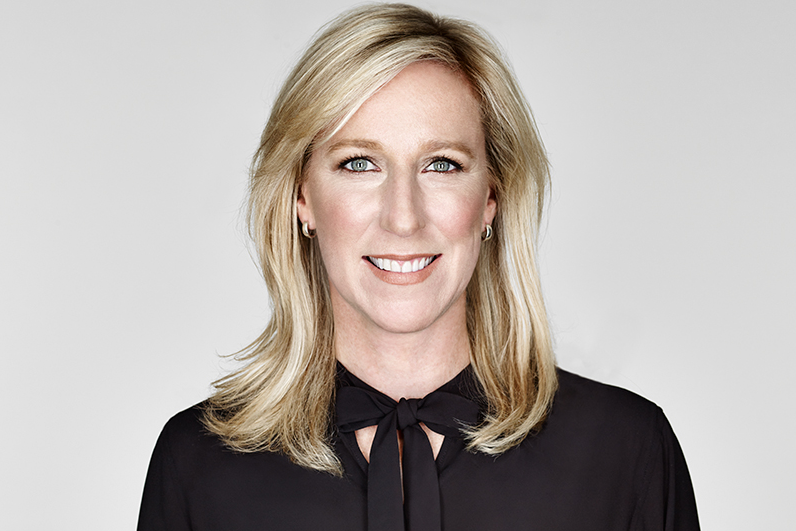
Build and nurture your networks from a young age. I was very active in student associations at my university and always sought out internships. This gave me access early in my career to many different people and companies and it was really the beginning of my business network. In fact, many of the people I met in school are still in that network today. Overall, it's important to stay flexible. Today, it's less about having all the answers and more about your ability to adapt. Success comes from being able to constantly assess and reassess situations and adjust as needed.
Elana Rosenfeld, Co-Founder & CEO, Kicking Horse Coffee
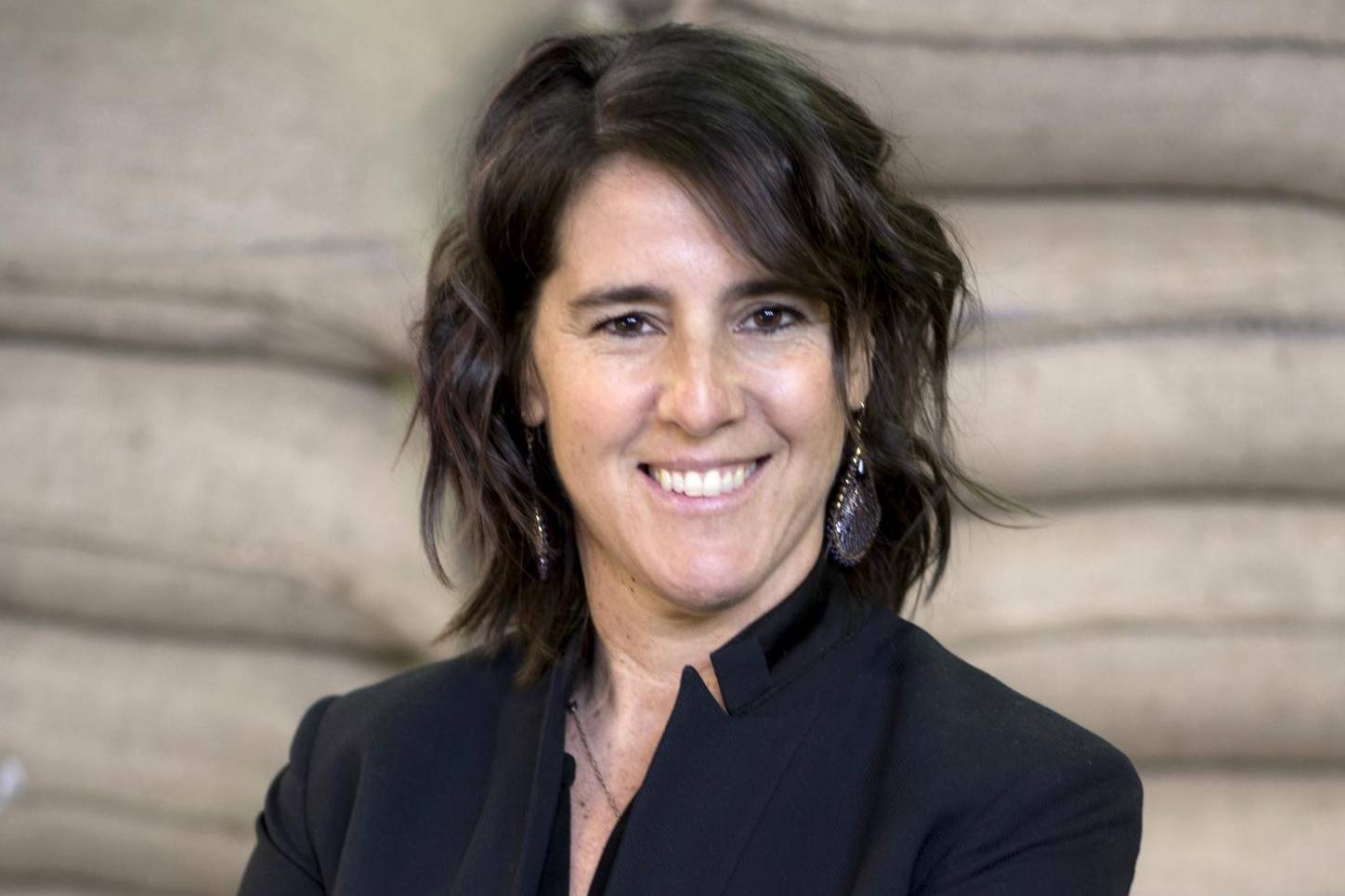
Determine and then follow your core values, because while lifestyle and desires may change over the years, core values should not. Regardless of what's happening around you, your internal compass is genuine – and following it is imperative to help create the career, and the world you want to experience. This self-awareness is a key piece for those who want to be leaders. While careers begin as personal journeys, they evolve into creating opportunities for others. No matter how smart you are or how much experience you have, emotional intelligence is imperative to successfully help others achieve their full potential.
Leah Lawrence, President & CEO, Sustainable Development Technology Canada

This is an era where technology is enabling rapid change, and we need to consider how to approach issues differently. That will happen with a more diverse workforce: young people bring a whole new approach and open-mindedness to tackling sustainability issues. I also think any career path you choose will be better if you have an understanding of STEM (science, technology, engineering and mathematics). Regardless of your chosen career path, it's important to surround yourself with positive people who energize you and encourage you to be your best self. There will always be difficult times, and what will carry you through are those who tell you confidently: "It's going to be okay."
Jayne Stoyles, Executive Director, Amnesty International Canada

Leadership is a balance between being bold, careful, decisive, consultative – many things. When you're young, it's easy to become impatient to climb the "career ladder." Yet gaining the skills required to lead requires a variety of experiences – and those take time to acquire. It's also important to be authentic: to genuinely care about your work, your company and the people that sustain it. A leader's job is to create the right environment, and to strive to make a true impact. While balance is essential, you need to work hard, because meaningful change rarely happens when you're watching the clock.
Laura Kilcrease, CEO, Alberta Innovates

Living in three different countries has been tremendously helpful for my career. It's not easy to leave familiarity, but if you can succeed in doing so, you'll be empowered to embrace change – a key leadership quality. Abroad or at home, be eager to experiment, to make meaningful connections that build trust and respect, and to follow your passion and excitement. There are no limits for young women today – but there are also few guidelines. Finding mentors who are frank, honest and willing to share their knowledge and experience will be more important than ever for our next generation of leaders.
Lisa Kimmel, President & CEO, Edelman Canada

When I was just starting out in my career, I had a point of view, but I wasn't always comfortable sharing it. Now that I'm a leader and a mother, I feel strongly that it's my responsibility to champion the confidence of girls and women. I'm a big believer that every conversation is power – and I've seen the positive impact of proactively talking about the importance of speaking up, even with my own 11-year-old daughter. It's up to leaders to promote a more inclusive and empowering culture – both inside and outside the workplace – to help women be and feel successful.
Carol Stewart, President & CEO, Kellogg Canada Inc.

It's important to realize that career paths aren't usually linear, so don't be concerned if you don't have your entire journey mapped out from the start. Where you begin likely won't be where you end up. Never in my wildest dreams did I imagine myself as a CEO when I was 21 – but opening myself up to new experiences led me in a direction I hadn't initially considered. I always tell my daughter, who's 23: Push yourself outside of your comfort zone. Anything is achievable if you're empowered to learn new things, if you advocate for yourself, and if you're passionate about what you do.
https://www.theglobeandmail.com/report-on-business/careers/career-advice/canadas-female-corporate-leaders-give-sage-advice-to-futureceos/article38223707/
My opinion: I like this article, because it was inspirational.
Aug. 3, 2018 "Focus on retaining and rebuilding the trust of your consumers during a company crisis": Today I found this article by Melanie Paradis in the Globe and Mail:
What can you do right now? Map out what keeps you up at night. Talk through worst-case scenarios with leaders from each of your departments, because they may see threats you don’t.
Make a plan for each scenario and drill regularly. Too often plans collect dust on shelves, but they are only as good as the practice you put in.
Make empathy your new mantra and think long and hard about what you will say when the worst happens. It’s worth the investment because the one thing you can’t buy back is the trust you stand to lose.
https://www.theglobeandmail.com/business/commentary/article-focus-on-retaining-and-rebuilding-the-trust-of-your-consumers-during-a/
My opinion: I like this article, because it was inspirational.
Aug. 3, 2018 "Focus on retaining and rebuilding the trust of your consumers during a company crisis": Today I found this article by Melanie Paradis in the Globe and Mail:
Melanie Paradis is a strategic communications adviser and director at McMillan Vantage Policy Group.
The data has been breached. The effluent is in the water. The #MeToo accusation was made. The product has been recalled. Worst yet, a workplace fatality has occurred. Your company is in crisis. At risk is your most valuable asset: trust.
Canadian consumers dole out a lot of trust every day. We trust that the groceries we buy won’t make us sick. We trust that the bank we use will keep our data secure. We trust that our boss isn’t sexually harassing the intern and that our drinking water won’t become contaminated by an industrial spill. That’s why corporate crises often become such big news stories, because the violation of our collective trust is a shocking thing.
The avoidable and preventable often happen, despite your best efforts. While you should of course undertake every effort as a company to safeguard and sanitize your practices to prevent a crisis, do not become lulled into a false sense of security about your ISO or industry best standards. If you trust that your trust will be tested, you can prepare accordingly.
Nothing is unhackable. No engineering infallible. The unsinkable indeed sinks. Anything that can go wrong will. And when it does, everyone will be watching what you do next. Your customers, employees, shareholders and regulators will immediately be waiting to see what you do with the trust they placed in you.
The first step of a crisis is to acknowledge you are in a crisis. Here, you communicate three things: What happened, what are you doing about it and how do you feel? This method applies just as much to a personal crisis, such as telling your children you lost your job, as it does to an oil spill or a mall collapse.
Early in a crisis, you likely won’t have much information to share, but you will need to at least share those three things. And fail to respect that third item at your peril. Too often, the difference between a well-managed crisis and a corporate disaster is executives overlooking the importance of empathy in maintaining trust.
How you feel in a crisis is what makes you relatable. Your willingness to express yourself vulnerably and authentically will immediately strike a chord with your audience and shore up their trust. Perhaps something like: “I feel devastated that the privileged data our customers entrusted in us has been compromised, and I will not rest until we get to the bottom of this to ensure it never happens again.”
Lawyers and communicators will argue about how much personal accountability an executive should take in a crisis. But ultimately, you must ask yourself: Will anyone trust you if you don’t?
When the news cycle changes 72 hours later and the calls from reporters and angry customers or shareholders begin to die down, many companies make the mistake of thinking they have survived the crisis. But a breakdown in trust, a spark of doubt, whether it be with your customers or a spouse, is corrosive.
In the aftermath of a crisis, you must redouble your efforts to build, maintain and restore trust. It will not happen overnight. But with a clear plan to consistently communicate, centred firmly around trust and empathy, most companies can overcome virtually any crisis.
In the aftermath of a crisis, you must redouble your efforts to build, maintain and restore trust. It will not happen overnight. But with a clear plan to consistently communicate, centred firmly around trust and empathy, most companies can overcome virtually any crisis.
What can you do right now? Map out what keeps you up at night. Talk through worst-case scenarios with leaders from each of your departments, because they may see threats you don’t.
Make a plan for each scenario and drill regularly. Too often plans collect dust on shelves, but they are only as good as the practice you put in.
Make empathy your new mantra and think long and hard about what you will say when the worst happens. It’s worth the investment because the one thing you can’t buy back is the trust you stand to lose.
https://www.theglobeandmail.com/business/commentary/article-focus-on-retaining-and-rebuilding-the-trust-of-your-consumers-during-a/
